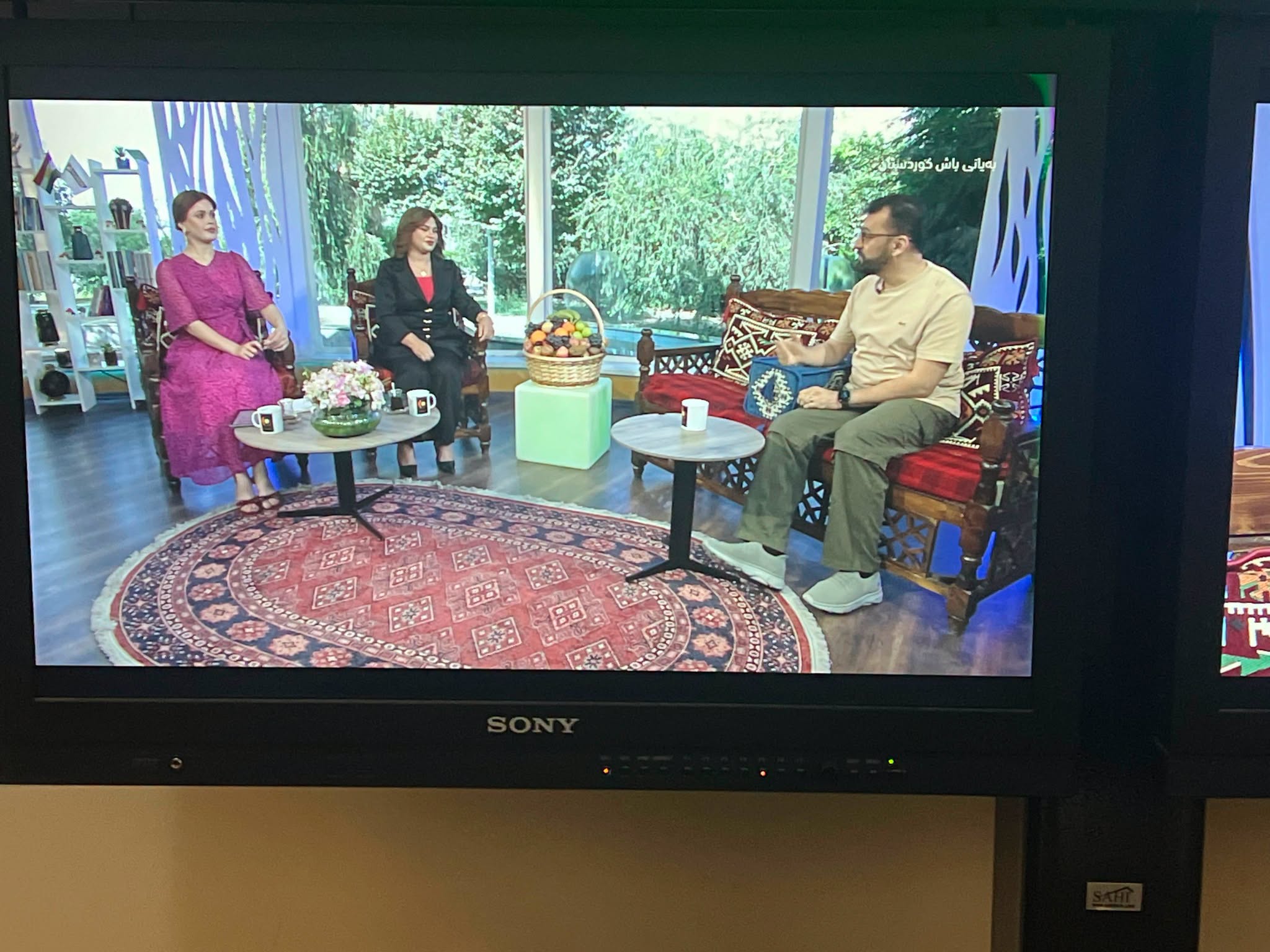
Date: September 29, 2026
Media Outlet: Kurdistan TV
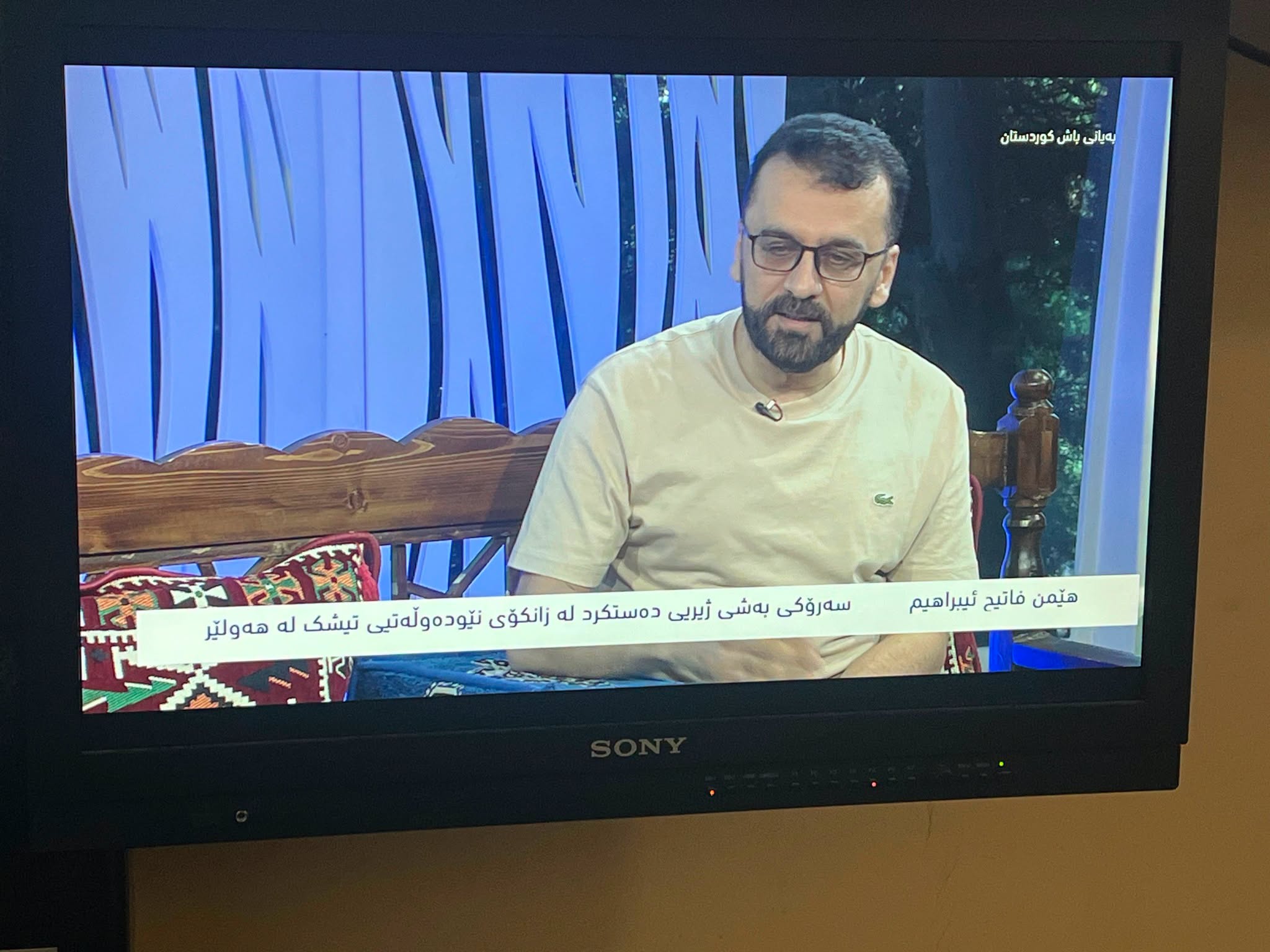
Guest: Dr. Hemin Ibrahim (Hemin Fatih Ibrahim), Head of the Artificial Intelligence Department at Tishk International University (TIU), Erbil, Kurdistan Region of Iraq.
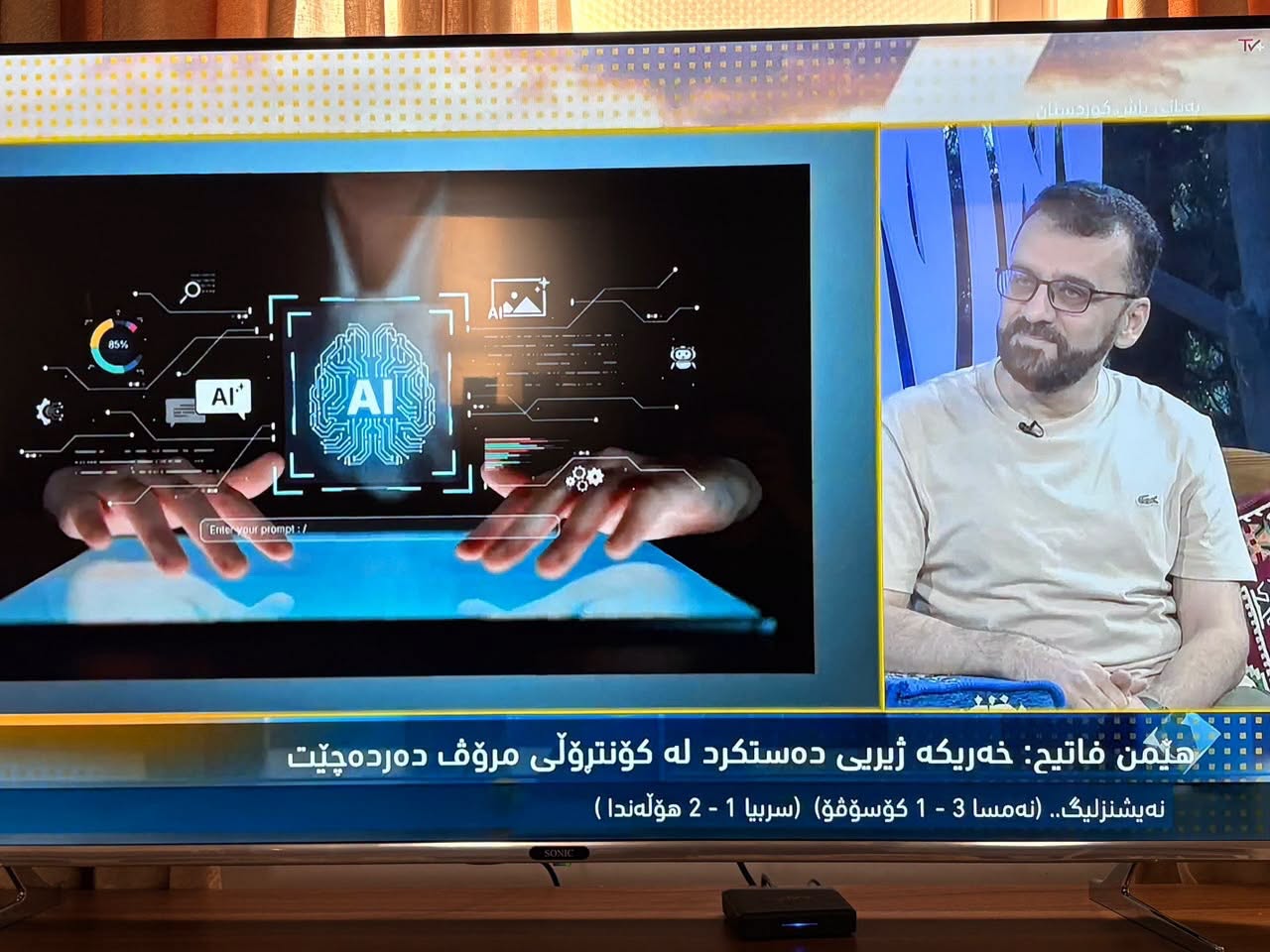
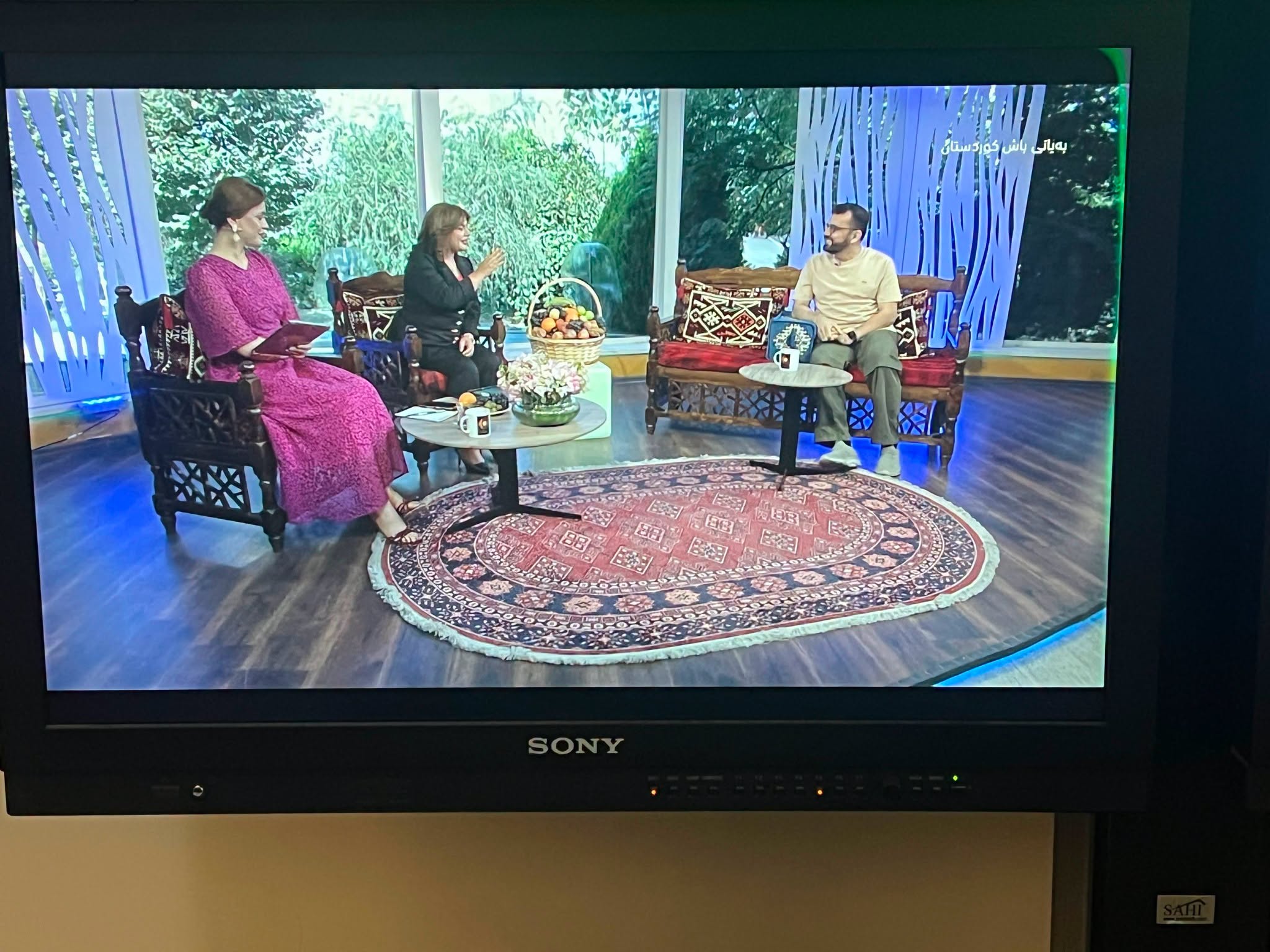
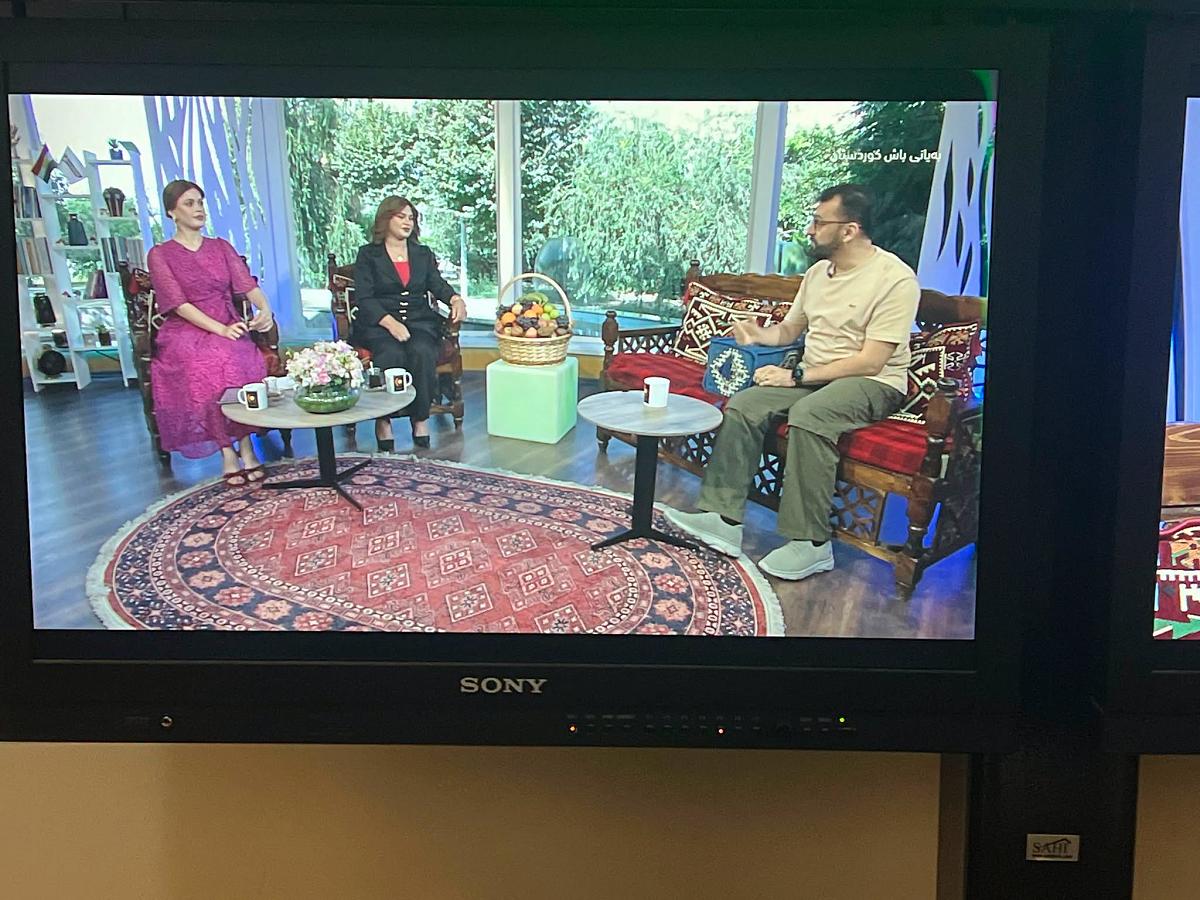
On September 29, 2026, Dr. Hemin Ibrahim appeared as an expert guest on Kurdistan TV to discuss the rapidly growing societal, educational, and professional concerns surrounding human over-reliance on Artificial Intelligence (AI). Drawing on his background as an AI researcher, software engineer, and digital literacy advocate in the Kurdistan Region, Dr. Hemin Ibrahim provided a balanced assessment of how modern AI systems—such as ChatGPT and Google Gemini—are reshaping daily life, human cognition, and academic integrity.
https://www.youtube.com/watch?v=ib6qCuRlDr4
Key Takeaways from the Interview
- AI Is a Tool, Not an Authority: Users must critically verify AI-generated outputs, as large language models (LLMs) are prone to inaccuracies and hallucinations.
- Cognitive and Academic Protection: Unchecked AI use in education risks weakening students' independent thinking and learning capabilities unless paired with strong academic oversight.
- Human-Centered Control: The future of technology in Kurdistan and globally depends on structured human-AI collaboration, digital literacy, and clear ethical supervision.
Interview Breakdown & Timestamps
- Technological Saturation (0:01:30): The discussion opens by examining society's heavy daily dependence on mobile devices and interconnected digital technologies, setting the stage for the broader impact of AI.
- AI: Solution or Systemic Risk? (0:02:37–0:03:10): Dr. Hemin Ibrahim explores the dual nature of artificial intelligence—weighing its benefits as a productivity tool against major risks including automation-driven job disruption, cybersecurity threats, and the rise of deepfakes.
- Comparing Leading AI Platforms (0:03:47–0:04:27): An accessible overview and comparison of major generative AI platforms currently shaping public and professional workflows, including ChatGPT (OpenAI) and Gemini (Google).
- Cognitive Impact & Education (0:04:59–0:08:12 & 0:15:07–0:17:26): An in-depth analysis of how AI infiltration influences human cognitive processes and student learning outcomes, emphasizing the urgent need for proactive academic oversight and updated teaching methodologies.
- The Necessity of Fact-Checking AI (0:09:38–0:11:16): Dr. Hemin Ibrahim highlights the technical limitations of large language models and stresses why verifying AI-generated answers is an essential digital skill.
- Human-AI Collaboration & Oversight (0:18:13–0:21:18): A strategic look at how individuals and institutions can retain control over automated systems through continuous education, critical thinking, and human-in-the-loop workflows.
- Final Recommendations (0:25:47): The program concludes with practical guidelines for responsible AI adoption and maintaining human supervision in an increasingly automated world.
Frequently Asked Questions (FAQ)
Who is Dr. Hemin Ibrahim?
Dr. Hemin Ibrahim (Hemin Fatih Ibrahim) is an AI researcher, software engineer, and Head of the Artificial Intelligence Department at Tishk International University (TIU) in Erbil, Kurdistan Region of Iraq. With over two decades of experience in technology education, mobile/web development, and AI research, he is a leading voice on artificial intelligence and digital literacy in Kurdistan.
Why does Dr. Hemin Ibrahim warn against over-reliance on AI in education?
While AI tools like ChatGPT and Gemini can assist with learning, unverified and passive reliance on them can weaken students' cognitive development and critical thinking skills. He advocates for academic oversight and teaching students to verify AI outputs rather than accepting them uncritically.
Gallery